10 Tips on How to Survive a Military Deployment
Home, Washington
10 Tips on How to Survive a Military Deployment: How to Cope While Your Partner is Away
Jan. 23, 2020
You can also find the Vlog on YouTube (see below!).
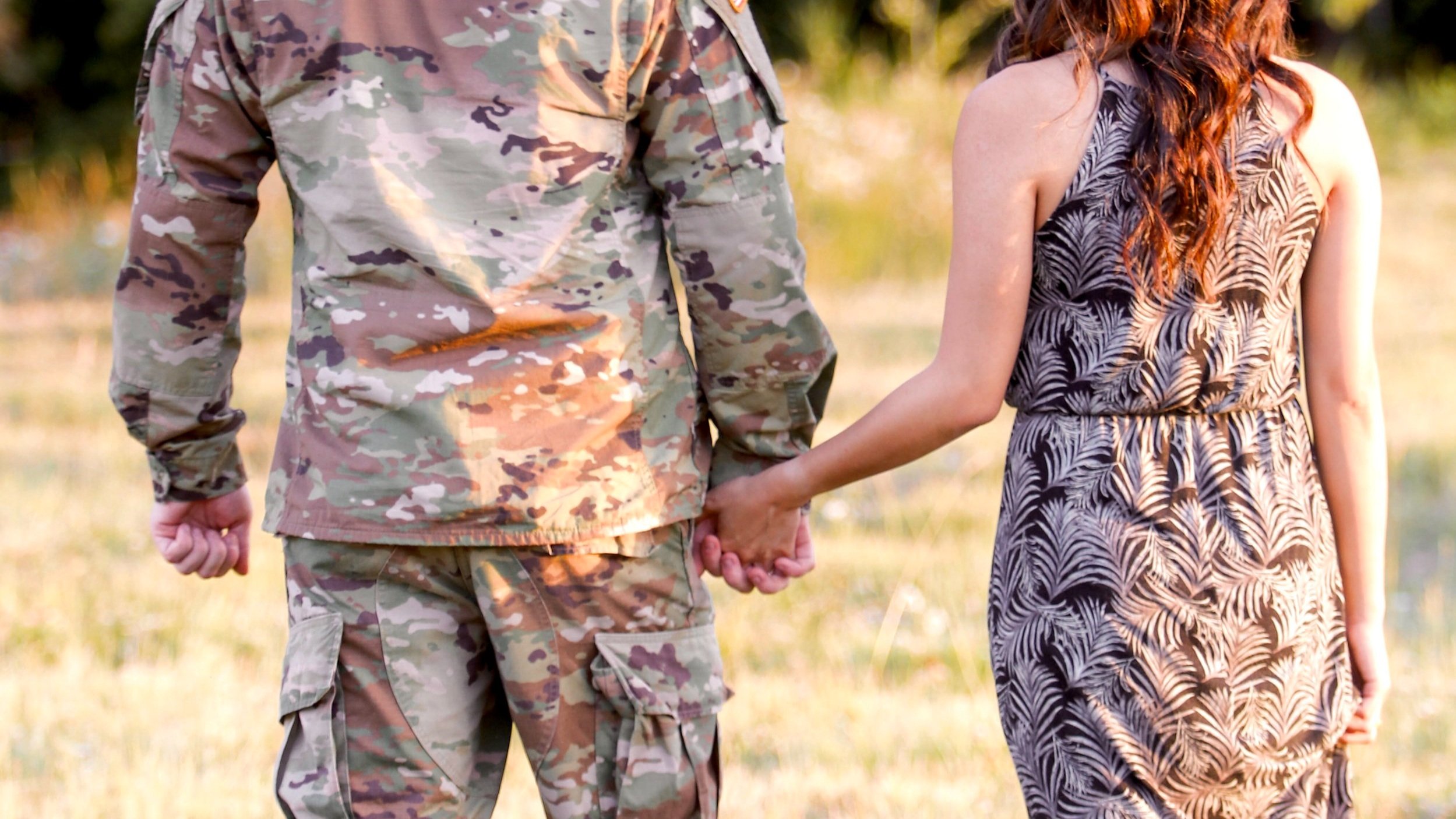
In just the last month, I have had a handful of friends/family members ask me for advice on how to survive a military deployment, so I decided to create a blog post and video on the topic!
Based on what’s been working for Lucas and I, I’ll be sharing a survival guide consisting of 10 Tips on How to Cope While Your Partner is Away. Whether or not you’re currently going through a deployment, preparing for a deployment, or are just curious on how we’ve been handling Lucas’ first deployment, I hope you’re able to find some value from reading about our personal experience!
Before I get started -- I want to thank all of the service members reading this post, and I want to also thank military family members, friends, and partners (whether it's your husband/wife, fiance/fiancee, boyfriend/girlfriend who is serving and deploying) -- THANK YOU for your service!
Also a quick disclaimer that the tips I plan to share with you all are just tips that I have personally used and/or am currently using that work for us. Each and every deployment AND each and every relationship is different. (Everyone copes differently!) This post is just based on what’s been working for Lucas and I. Use your best discretion on what works best for you and your loved one, and if you’re going through a deployment or have gone through a deployment, I’d love to hear about your experiences! So please make sure to comment below or reach out!
1. GROW Through the Deployment --
You can either “go” through a deployment or “grow” through it!
This was the quote that I was told during Lucas’ send-off ceremony back in June, and I’ve been holding onto it ever since.
In my personal opinion, the first step to surviving a deployment is to accept that the deployment is happening in order to really conquer a growth mindset. Instead of focusing on how to “get through” a deployment (by doing the bare minimum to make the days go by), think about ways to encourage your personal growth during the deployment! Living in a way where you’re just going through the motions will not only make the days feel longer, but will make the days feel wasted when you could still be productive and intentional during this time.
It’s extremely easy to get caught up in the emotions that a deployment can bring. And trust me, I know that deployments can bring up all kinds of emotions (which I’ll get more into in Tip #2). For me, I struggled with feeling like my life was put on “pause.” At first, I felt like I had to wait to do anything fun, or make any big life changes until Lucas returns home. I also thought that the time he’ll be away will be time “wasted” because him and I could’ve spent that time creating more memories and going on more adventures together.
Let me say that feeling these sad feelings is 10000% okay, and they'll come up maybe more than once during the duration of the deployment. But wallowing in negative emotions isn’t healthy, and it’ll make the days go by much slower. Once I realized that I could maximize the time that we’d have away from each other, was when I started to develop that “growth” mindset a little easier. And from that, I was able to create healthier coping strategies to combat the mindset of feeling “Paused” (I’ll be sharing these strategies throughout this post!).
This tip is also applicable to your military partner too! Lucas shared with me that focusing on ways to “grow” during the deployment helped him get through the days -- whether it was focusing on his health/diet, exercising to improve his strength and endurance, or looking at options for educational and financial resources that he can focus on during his free time!
2. Allow Yourself to Feel ALL of the Emotions
You and your partner will feel almost every emotion during a deployment. These emotions will differ in the beginning, middle, and end. You may start out like me, feeling sadness or loss… You may go through stages of anger and frustration… You may feel lonely… Then you may start to feel acceptance and pride… And then the next day, go back to feeling sadness or anger, and restart the cycle. Your cycle may even look different than mine!
Regardless, emotions will come and go, but the important part is to let yourself have the time to feel them in a healthy way. Suppressing emotions will only bottle things up to explode later. Instead, allow yourself enough moments to feel the sadness, the fear, the anticipation, and the worry. Letting those feelings out is just as important as highlighting the moments of pride in your partner’s bravery and excitement about his/her return. Never wallow in negative emotions, celebrate the positive ones, and allow yourself to feel either kind of emotion when you need to so it’ll be easier to pick yourself up throughout the deployment.
3. Set Daily/Weekly/Monthly Goals
Setting goals is one of the best ways to stay motivated during the deployment. Keeping yourself busy with these goals will only help time feel like it's going by faster than it really is! Some goals that you can set for yourself include:
Pick Up a New Hobby or Start a New Project -- During Lucas’ deployment, I’ve developed my passion for photography even further, I invested more time into my blog and YouTube channel, I tried kickboxing, and I’ve been focusing a ton of my time on the project of planning our wedding! Whatever hobby or project that you want to pursue, make sure it’s one that you know you’ll enjoy!
Career/School Goals -- You can also set goals for your career or in school! I’m currently doing this right now. I allowed myself to spend the first 6 months of Lucas’ deployment embracing my hobbies and planning the wedding, and now that I have most of the wedding planned, I have just accepted a job offer that aligns with my long-term career goals. Whether it’s focusing on the goal of getting a 3.5 GPA or higher, going back to school to get your Bachelor’s/Master’s Degree, finishing a work project that you’ve been procrastinating on, or applying for positions that will improve your quality of life -- the time to invest in those “areas of improvement” in your life is NOW! :)
Fitness/Health Goals -- Setting goals related to fitness and health can potentially be one of the best decisions you can make for yourself! Your mind will have a much easier time feeling healthy, if your body is physically feeling healthy too! Finding a workout routine that works for you, or signing up for a sustainable gym membership can also help relieve some of the stress and anxiety that can come from a deployment.
4. Find Your Community
Feeling lonely will happen from time to time during the deployment. Your partner is physically away, and depending on where he or she deploys to, you may even be in different time zones which could make communication even more complicated. How I’ve learned to cope with these moments of loneliness is by leaning on family, friends, and Sherbert (my cat!) for support.
So as much as you want to sit around and sulk at home, binge-watching YouTube videos and feeling sad (Let yourself have those moments from time to time though… I definitely do!), make plans with your community instead! Surround yourself with a supportive circle of loved ones that are available for you to confide in and are also ready to take your mind off of the deployment. Your community could consist of your mom, your dad, your brother, your sister, your best friend, your coworker, or even supportive military members/communities that can relate to what you’re going through.
5. Establish Realistic Expectations for Communication
I feel like this is important in any relationship, but heightened especially for relationships that are going through a deployment. I mentioned this briefly, but your partner may likely be in a different time zone as you and will most likely be on a different schedule. Lucas and I literally greet each other “Good morning” regardless of whether or not it’s night or day time. Being on different routines/schedules can be tricky to navigate at first. But I’m here to reassure you that it isn’t impossible!
Lucas and I always greet each other right when we wake up and right before we go to bed. Schedule reasonable times of the day to expect to hear from each other -- whether it’s a phone call, FaceTime, letters, or at the very least a text message. We found that mornings/evenings work best for us, since my morning is his evening and my evening is his morning. Sometimes things come up that prevent us from connecting at the usual time, but we try our best to give the other person a heads up if that’s going to be the case. Figuring out times that work best depending on the time zone differences, and establishing this routine, will allow you to worry less and alleviate stress.
Remember that this also isn’t just a long-distance relationship, your partner is most likely going to be in hostile territory. Even if some bases are safer than others, war will always be an underlying concern, but worrying all the time will make the days go by much slower and will cause extreme stress. I’ve found that checking-in with each other at least once or twice a day can ease that anxiety.
6. Focus on Encouraging Your Partner
This needs to go both ways, but you as the civilian, will need to support your military partner in a different way. Remember that your partner is deployed overseas, thousands of miles away from home, and living in a routine that is a completely different culture than what he or she has been used to experiencing back at home. Your partner will feel homesick during moments of the deployment, and you may be asked to help them through these moments. It’s also healthy to expect them to help you through your moments of missing them too.
Remember to celebrate their wins like you would want them to celebrate yours! Make sure to show up for your partner, and celebrate the wins rather than focusing and complaining about trivial things (or the deployment itself). Maybe your partner got promoted, maybe your partner completed a project that they've been spending most of their time working on, maybe they reached one of their own personal goals -- CELEBRATE! Missing each other is healthy, so let each other know! But try your best to live like tomorrow isn’t promised and focus on more of the good by shaking off the small stuff.
7. Mail Letters and Packages
Even if you are able to text/FaceTime/call your partner, sending letters and care packages can be a special way to communicate during a deployment. To some, it may seem old-fashioned, but sending items from home (e.g. treats, pictures, etc.) for your military partner to have and enjoy overseas can provide them a sense of normalcy and a taste of home that a text message can’t provide. Send them funny letters/cards, pictures of happy memories, or maybe a small gift!
(I’m thinking about creating a separate video/blog post talking about care package ideas, so I won’t go into too much detail now. I’ll make sure to link it HERE once it’s up!)
8. Let Yourself Travel!
This one may not be applicable to some of you guys, but something that has personally helped me through a good majority of the deployment is letting myself travel. Traveling to a new place lets you look forward to something and can keep your mind off the worries of a deployment. I mentioned earlier that once Lucas was initially deployed, I felt “paused,” but once he helped me realize that I can still go on adventures with loved ones or even on my own, I found that it really helped me adjust to the deployment. I discovered that letting yourself experience a new routine in a new place helped take my mind off of Lucas’ absence a bit more. You can really feel someone’s absence when you’re going through a routine that they used to be regularly apart of. Traveling can allow you to take a break from your normal routine!
9. Make Countdowns
I found that countdowns are SO helpful! I also noticed that countdowns benefit people in different ways. For some people, they’d rather see how many days/weeks/months they have left in the deployment and I’ve seen others prefer to see how many days/weeks/months they conquered. But like how the glass can be seen as half full or half empty - either way works! Determine what encourages you and use either a calendar, planner, or countdown app on your phone to keep track of the time!
10. Prioritize Self-Care
And finally my 10th tip is to prioritize self-care! You won’t be able to take care of your partner or others if you aren’t taking care of yourself too. With your partner away, your going to have free time. Spend some of it being sad and missing your partner (rightfully so!), but spend more of it doing things that bring you joy! Make sure to eat healthy, exercise, create a daily routine, and find ways to invest in yourself! Maximize this time away from each other, and focus on personal growth in order to be the best partner you can be during the deployment and for when your partner returns home.
There you have it! Those are my 10 tips on how to cope while your partner is away on a military deployment. As I mentioned, this is Lucas’ and my first time experiencing a deployment. He’s been serving in the Army Reserves for 6 years now and just renewed his contract for another 6 years. Please let me know if you have gone through a deployment, will be, or are currently experiencing a deployment! I’d love to hear about coping strategies that have worked for you. We can GROW through this together!
THANK YOU again to the service men and women reading. Deployments are challenging but us partners back at home should be so proud of our military loved ones!
Cheers to our military heroes!
Gen
